PDF
Main points
- Côte d’Ivoire’s government has made several commitments to achieve its targets in terms of climate mitigation and adaptation, with ambitious goals such as achieving 45% of its electricity from renewable sources by 2030. As such, the country is investing in relevant infrastructure, funded by the government and international organisations such as UN-REDD, the European Commission and development agencies.
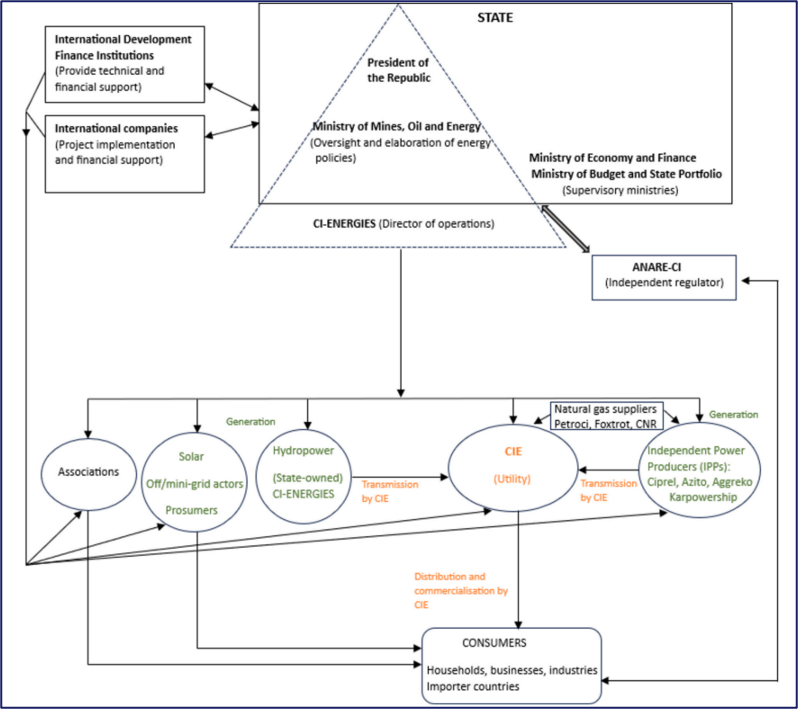
- There is, to date, little direct evidence of corruption in the renewable energy sector in Côte d’Ivoire; however, this is a relatively new sector, therefore there are few evaluations and assessments. In terms of energy sourced from fossil fuels, there have been some documented cases of possible corruption, implying that such risks could also affect the renewables sector.
- Moreover, there are some reported deficiencies in the institutional governance framework in the energy sector. These include reported politicisation at the public agency responsible for the sector and local companies having few opportunities to participate in decision-making.
- The literature points towards public officials (such as law enforcement agents) collaborating with illegal loggers and wildlife traffickers in the country. There appear to be difficulties in prosecuting these individuals and groups due to their connections with law enforcement and other public authorities. Organised criminal groups exploiting the natural resources and wildlife in protected areas have also been noted to drive corruption.
- The majority of deforestation is caused by cocoa farming. This is further exacerbated by smallholders and local communities who sometimes illegally use the land for agriculture and timber to support their socio-economic livelihood. Local communities were previously displaced from the forests, leading to further tensions in the sector.