PDF
Main points
- Non-tax IFFs in Latin America stem mainly from illegal markets and corruption. Illegal mining is now estimated to generate more criminal proceeds than drug trafficking, and gold has reportedly become the "new cocaine". Drug trafficking nonetheless remains a major source of IFFs and the illegal profits it generates are frequently reinvested in other criminal activity, such as illegal mining, human trafficking and illegal logging.
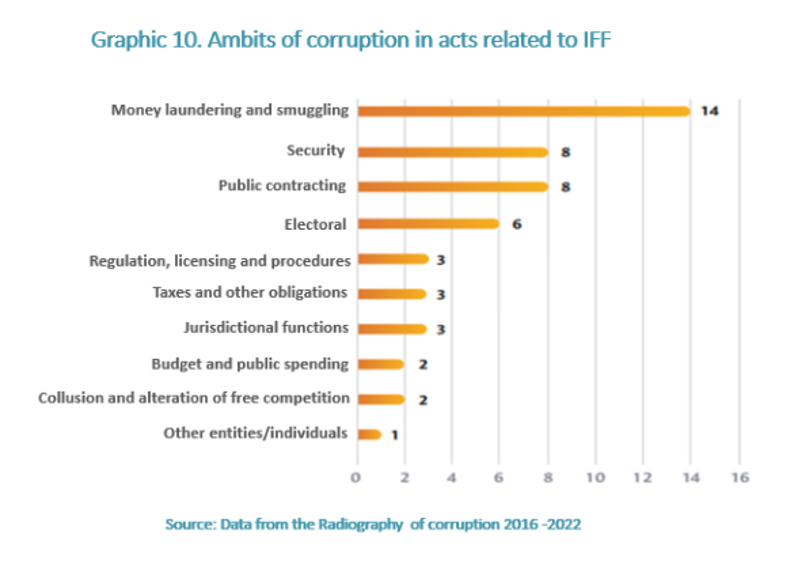
- Corruption is both a source and an enabler of IFFs. Grand corruption schemes such as Lava Jato move bribes through shell companies and offshore accounts, while bribery of customs, border, environmental and port officials enables illegally mined gold to reach international markets. Extortion by organised crime groups is pervasive in the region and can overlap with corruption where state agents are involved.
- Illicit funds are moved and concealed through shell and front companies, third-party “mule” accounts, trade mis-invoicing, virtual assets and complicit professionals, as well as informal channels such as black market currency brokers and bulk cash smuggling. Illegally mined gold is laundered chiefly by falsifying its origin.
- Evidence on the direct impact of IFFs on human development in the region is limited, but the harms of the underlying illicit activities are well documented. These include public funds diverted from health, education and water services, armed groups financed by drug and gold proceeds, environmental damage and human rights abuses.
- Anti-money laundering systems across the region remain weak in practice. According to GAFILAT, most countries score only “moderate” or “low” on effectiveness, with persistent gaps in the supervision of non-financial businesses and virtual asset providers (DNFBPs), beneficial ownership transparency and asset recovery.
- Country experiences vary. Colombia has a capable financial intelligence unit and asset forfeiture regime, but prosecutions focus predominantly on drug related laundering. Guatemala’s 2026 AML law closes long-standing regulatory gaps, but the capture of the judiciary and prosecution service threatens enforcement. Cuba is less exposed to conventional IFFs, but recent cases point to growing risks.
- Donor supported programmes are numerous but often shaped by donors’ own priorities, target senior officials rather than technical staff, and pay too little attention to the trade-based, informal and cross-border flows that dominate the region.