Main points
- Somalia’s humanitarian needs are acute, driven by interlinked conflict, climate-change induced drought and displacement.
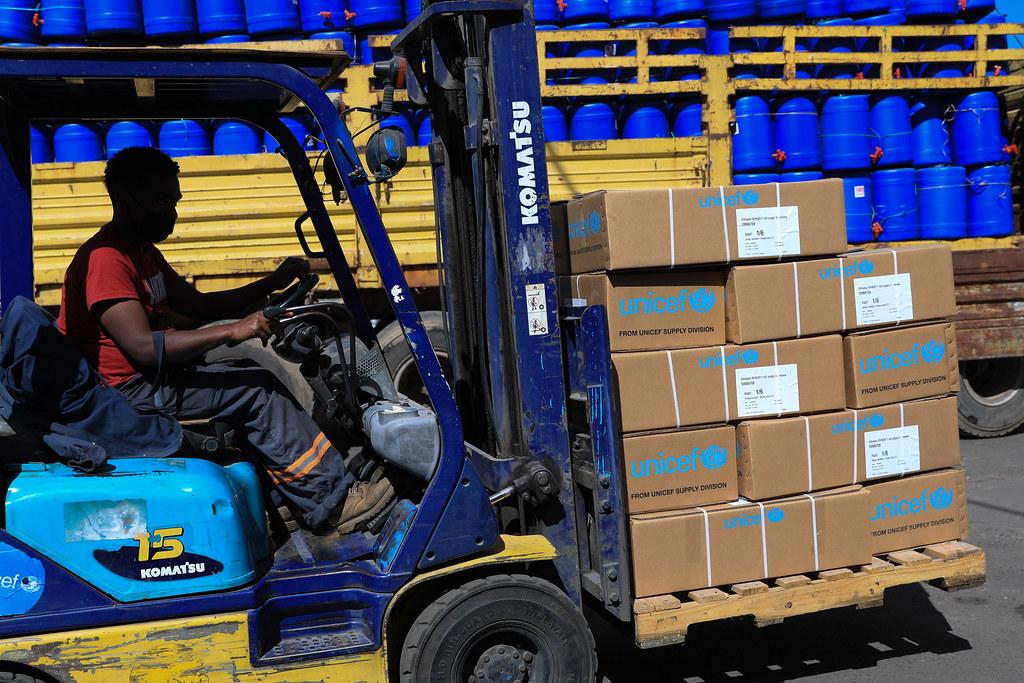
- The confidence of many donors was shaken after the leak of a UN report commissioned by the secretary general attesting to the widespread diversion of aid in response to the 2022 drought, one of a series of scandals.
- The report focused primarily on “gatekeepers” who manage settlements of internally displaced people (IDPs) and their practices of extorting fees, reselling in-kind assistance and interfering with beneficiary selection.
- However, other sources highlight a more extensive chain of complicit actors, including aid agencies. Furthermore, the sector is exposed to an even wider set of risks, including collusive relationships in the procurement of goods and services connected to aid, as well as allegations of embezzlement and politicised allocation that are backed by less clear evidence.
- The risk profile is also distinct in territories controlled by Al-Shabaab where diversion occurs through various payments extorted from humanitarian agencies (although many have downscaled operations due to concerns of infringing counter-terrorist financing regulations).
- Remote programming, underreporting and aid agencies’ own transparency and coordination gaps all undermine the detection of corruption and diversion.
- Experts also highlight the driving role of entrenched patronage networks linked to clan identities, but warn against simplified narratives, arguing that these networks often fill a social function not provided by the government.
- Recent discussion of mitigation measures has coalesced largely around the UN led post-distribution aid diversion (PDAD) action plan. While some progress has been reported on its priority actions – such as new models of beneficiary targeting – it is largely premature to evaluate their effectiveness.
- Some commentators argue that the reforms focus on short-term technical fixes as opposed to much-needed systemic changes. For example, there have been efforts to improve the availability of feedback mechanisms beneficiaries can use, but there is less clear evidence of follow-up to these reports and redress.
- Experts also recommend that donors and aid agencies shift away from a zero-tolerance approach to corruption towards more responsibility sharing and openness about trade-offs, which is especially critical in light of the forecast levels of humanitarian need in Somalia in the near future.