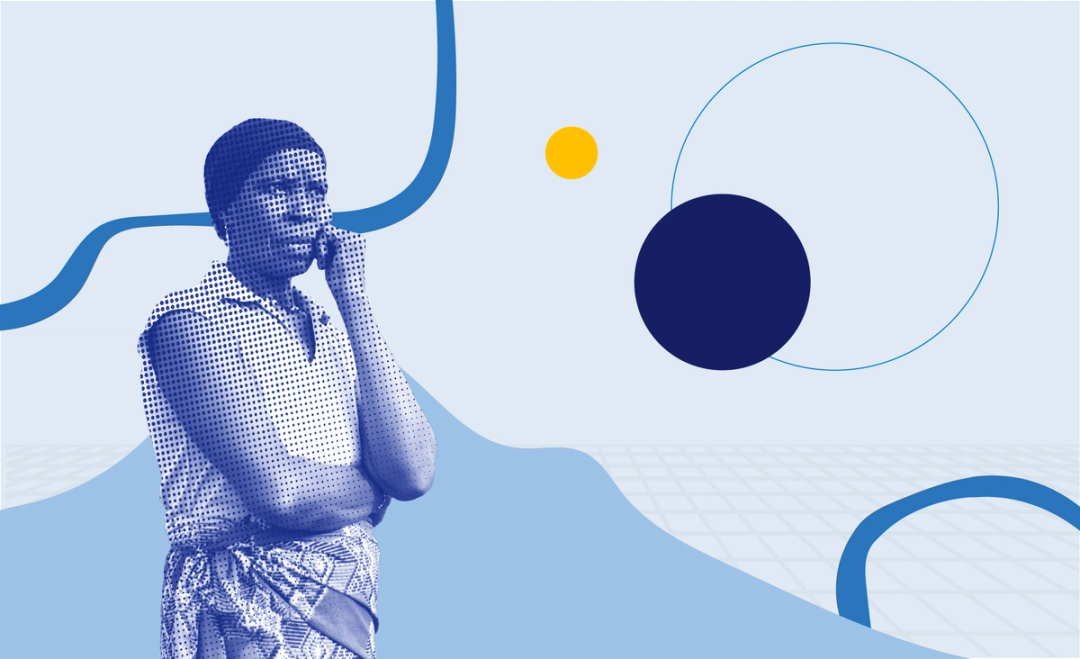
Corruption disproportionately affects women and marginalised groups, limiting access to essential services, economic opportunities, and political representation. To design anti-corruption policies that are fair and effective, it is vital to understand how corruption affects people differently based on gender.
Get prepared to strengthen accountability and drive meaningful change by taking this course on gender and corruption.
Course type
Self-paced. Take the course in your own speed, without fixed deadlines or scheduled classes.
Work your way through videos, reading materials, interactive exercises, and quizzes.
Duration
Each module takes approximately 20 minutes.
Language
English.
(Also available in Spanish)
What you’ll learn
The course consists six modules:
- Introduction to key concepts and ideas in gender and corruption
- Women’s participation in public life and corruption
- Mainstreaming gender in anti-corruption
- Addressing sexual corruption
- Intersectional perspectives: corruption, marginalisation, and discrimination
- Gender, illicit financial flows, and asset recovery
Who is this course for?
This course is designed for development professionals, anti-corruption practitioners, policymakers, and researchers who seek to understand the gendered dynamics of corruption and apply gender-sensitive approaches in their work.
Experts
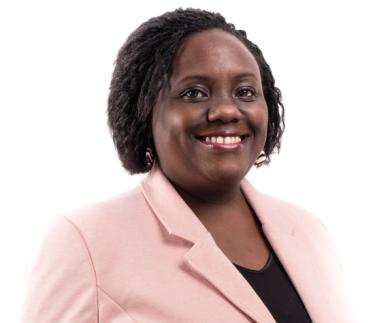
Monica Kirya
U4 Deputy DirectorCoordinators