Health Sector

Understand how corruption affects health outcomes in developing countries. Find essential resources for anyone working on anti-corruption within the sector.

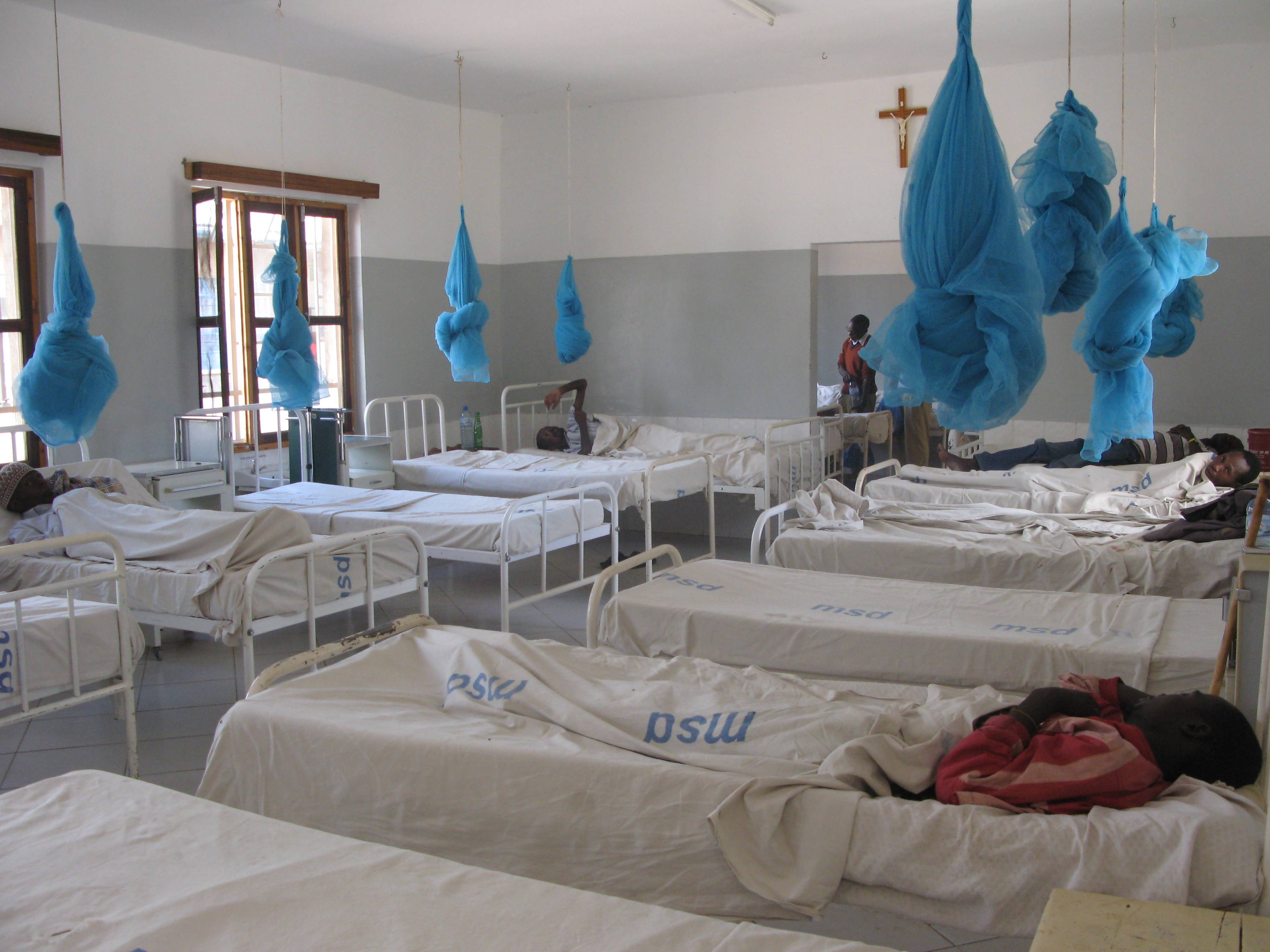
Corruption in the health sector is a concern in all countries, but it is especially critical in developing and transitional economies where public resources are already scarce. Corruption reduces resources available for health, lowers the quality, equity and effectiveness of health care services, decreases the volume and increases the cost of services provided. It discourages people to use and pay for services and ultimately has a corrosive impact on the population's level of health.

Explore this U4 Theme Page to learn about the challenges and strategies that can be employed to address the problem:

clyclopsr copy

Upcoming courses

Online Training

Corruption in the health sector

  • 9th September - 27th September
pdf_thumb_662
Author: World Bank Group
Release date: January 2007

Detailed Implementation Review. India Health Sector

This report summarizes the findings of a Detailed Implementation Review (DIR) of five Bank-financed projects in India: the Food and Drugs Capacity Building Project, the Orissa Health Systems Development Project, the Second National AIDS Control Project, the Malaria Control Project, and the Tuberculosis Control Project.

gcr2006jpg
Author: Transparency International
Release date: January 2006

Global Corruption Report 2006: Corruption in Health

The 2006 Global Corruption Report published by Transparency International is focused on health and corruption. The report includes many interesting contributions, with chapters on: the risks of corruption according to health system and governance structure; the scale of the problem, including problems in both developed and developing countries; costs and consequences of corruption in the health sector, including corruption in hospitals, drug supply systems, and informal payments, and corruption in HIV/AIDS programs. Of particular interest, for example are an excellent introduction to the subject by William D. Savedoff and Karen Hussmann.

Top

On this page


Featured themes