
Corruption in the health sector diverts vital resources and undermines care, yet a significant gap remains between donor policies and the programmatic action needed to address these risks.
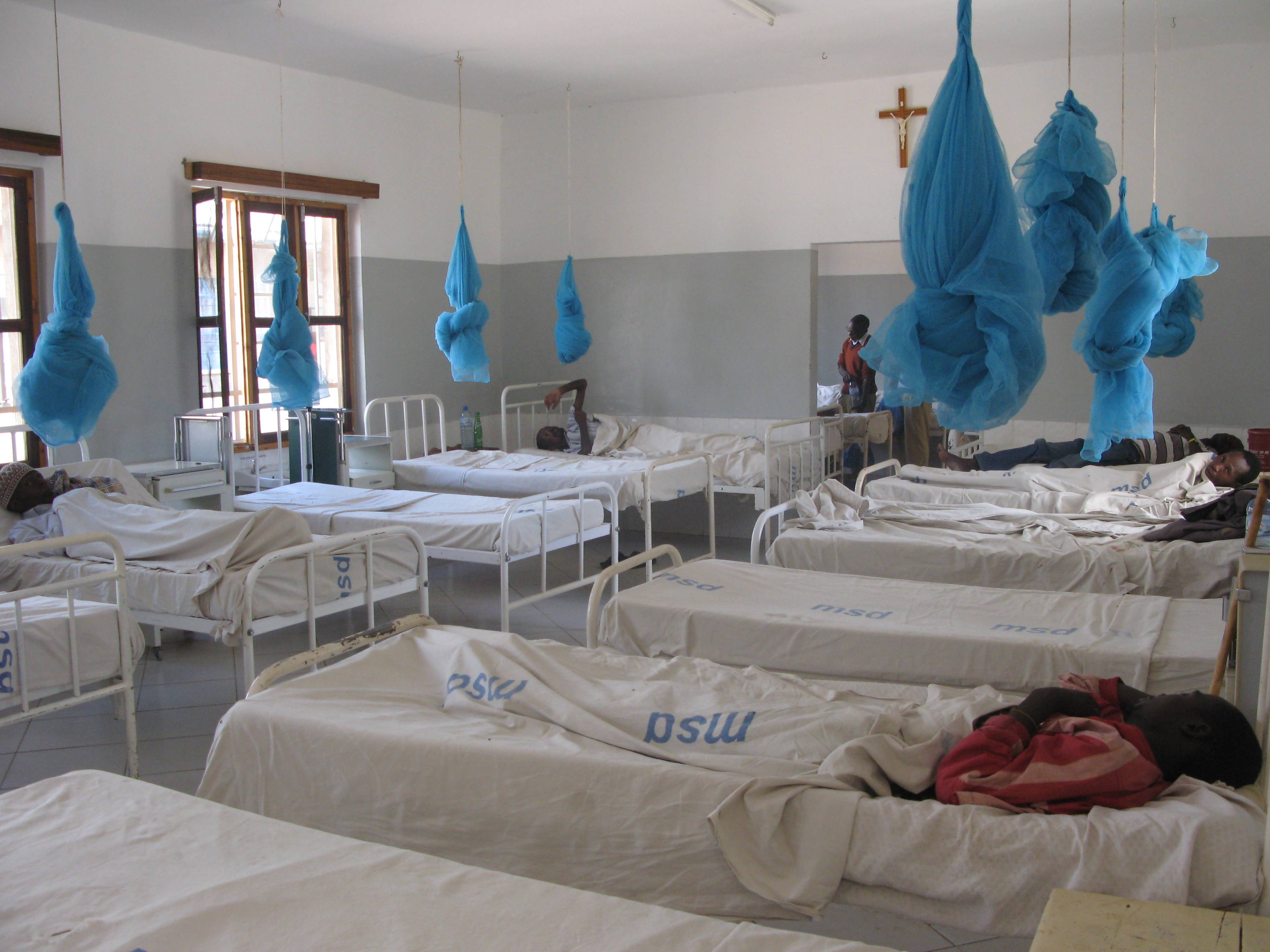
Photo:
Medici con l'Africa Cuamm
CC BY-SAtopic
Public service delivery
Corruption and anti-corruption efforts in basic service sectors
Photo:
Medici con l'Africa Cuamm
CC BY-SAFeatured content




From the blog








Latest publications




Related topics
Health
Corruption and anti-corruption efforts in the health sector
Updated 24 June 2026
Education
Corruption and anti-corruption efforts in the education sector
Updated 6 July 2026
Health emergencies and pandemics
Lessons on how to strengthen anti-corruption efforts during urgent health crises (eg Covid-19)
Updated 19 May 2025