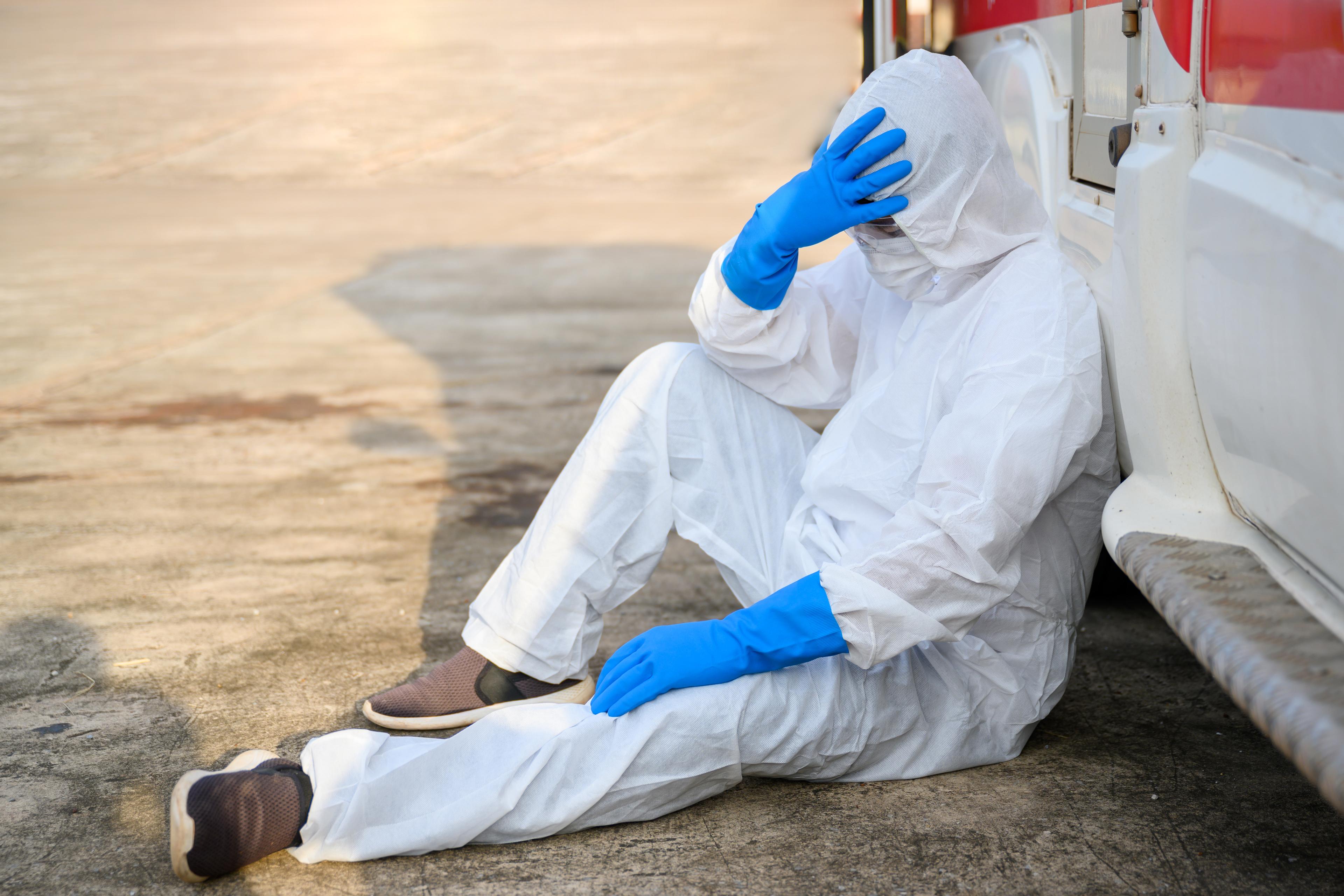
Find out how corruption materialised during Covid-19, what drove it and how it impacted people. Also highlighted are anti-corruption strategies deployed and lessons learned for use in other health emergencies.
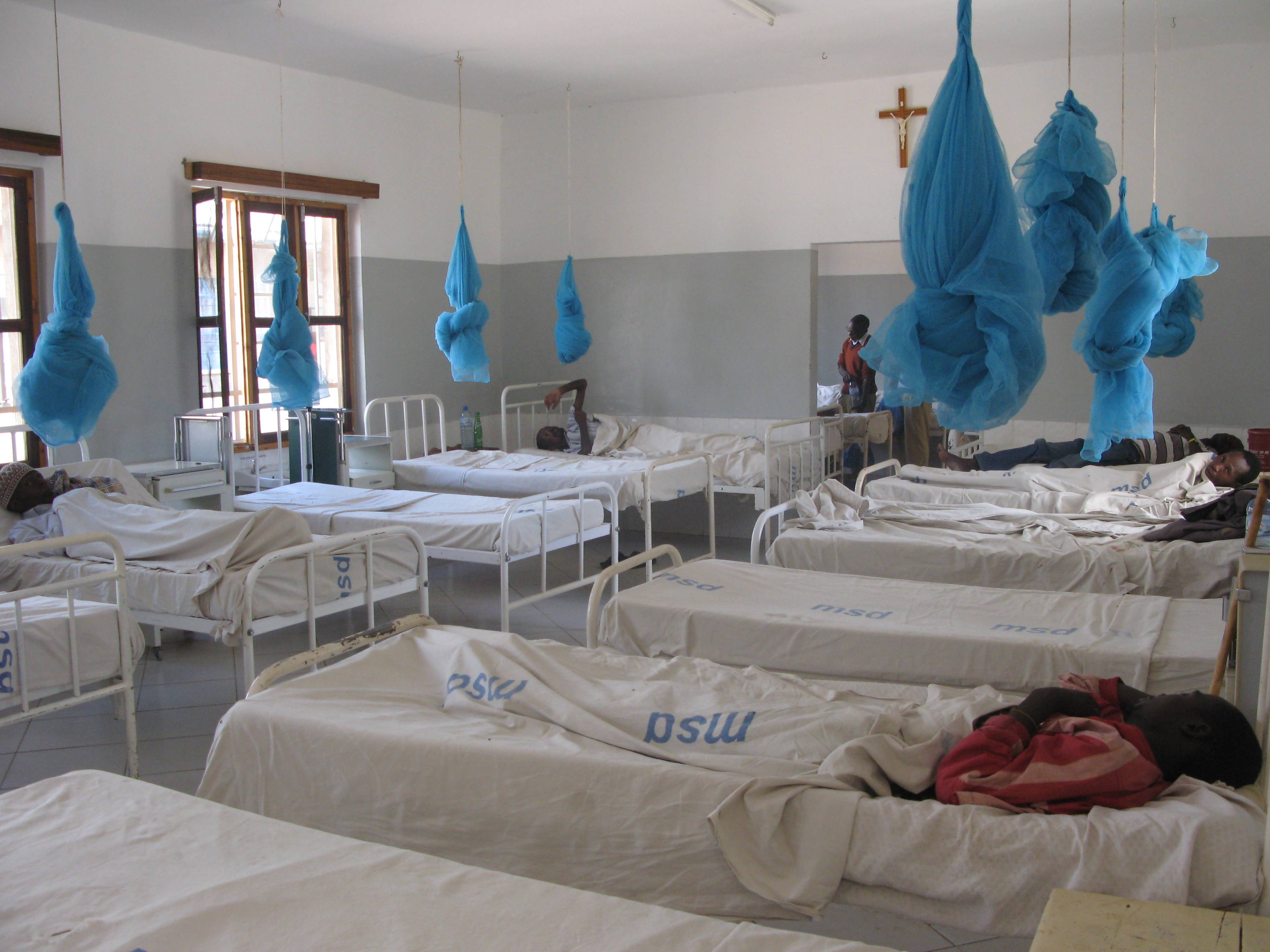
Photo:
Medici con l'Africa Cuamm
CC BY-SAtopic
Public service delivery
Corruption and anti-corruption efforts in basic service sectors
Photo:
Medici con l'Africa Cuamm
CC BY-SAFeatured content




From the blog




Latest publications



Related topics
Health
Corruption and anti-corruption efforts in the health sector
Updated 1 December 2022
Education
Corruption and anti-corruption efforts in the education sector
Updated 28 October 2021
Covid-19 and corruption
Strengthening anti-corruption efforts during the pandemic and other health emergencies
Updated 25 May 2023